I Built an AI-Powered YouTube Pipeline — But It Makes Everything Clickbait
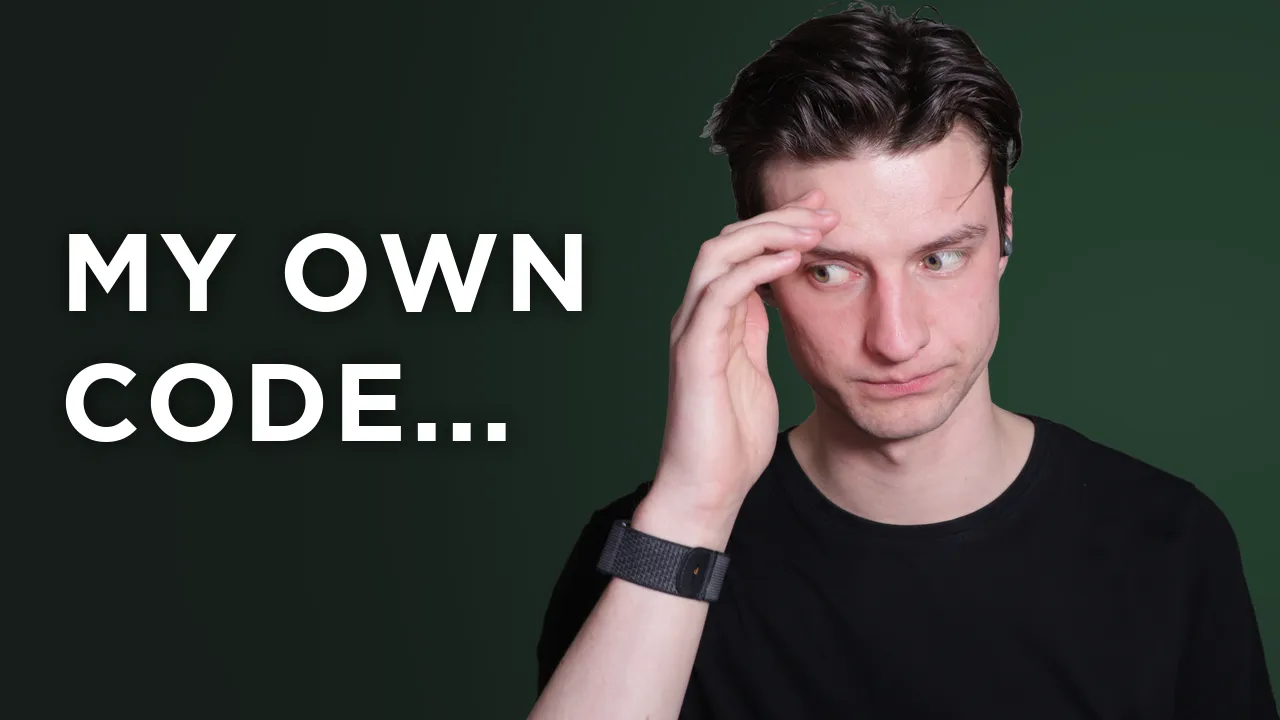
Eleven daily videos in a row. After taking a break for more than a year — and never really being much of a YouTuber to begin with — I’ve been churning out content like no tomorrow. I’m not an AI. This is not an AI voice. But I am guilty of handing some of the channel management to one.
Which is funny, because just a few days ago I released a video saying don’t ship AI — none of it is deterministic, it’s unsafe, and there are better ways to achieve your desired outcomes. But I thought I’d run an experiment. The goal: ramp myself from zero to one video a day.
One researched, valuable upload per day is actually really hard. I’ve noticed that. I’ll probably have to slow down in the interest of quality — spend more time researching, writing down thoughts, putting important takeaways together. But today I want to walk through the pipeline that’s been making this pace possible.
The Dashboard
The main interface is a schedule page. Ideas come in on the left side, move into production, and then there’s a timeline of recently published and upcoming videos. The video I’m working on right now — this one — already has AI-suggested packaging. Title, thumbnail concept, the works.
By the time this video gets published, the packaging may or may not have stayed as the AI suggested it.
What’s in the Pipeline
The whole thing is vibed together in Python. There are a few key components:
- Web UI — the schedule and management dashboard I just showed
- YouTube Processor — handles transcription, subtitles, and blog post generation
- Video Tracker — the main brain of the operation. Manages videos from idea to publish, syncs with YouTube, generates markdown dashboards
- Idea Engine — scrapes trending tech topics from X, Hacker News, and a few subreddits
There’s some UI hackiness going on. Instead of rendering everything dynamically, I’m generating static dashboards — including a filming preparation screen with notes that can be fact-checked by AI, with takeaways proposed alongside.
The Idea Engine — aka the Clickbait Machine
This is where the “clickbait” part comes in. The idea engine scrapes trending topics from multiple sources and feeds them to me as video candidates. Right now it’s essentially: I found an article on Hacker News, go talk about it.
I’m aiming to iterate and make it genuinely useful. I still plan to make opinion pieces and share my own views. But now that daily uploads are rolling, I want to shift into more of an idea generator role and hand things off to the pipeline to finalize. I still film and edit everything myself — but finding sources, pulling together materials, and fact-checking? AI handles that well.
Post-Production Flow
When I finish recording, the pipeline works like this:
- Cut silences — removes long pauses and makes the video flow better. I have a choppy manner of speaking, so trimming pauses before I even open my editing software is important.
- Manual editing — I bring the trimmed video into Final Cut Pro, cut bad takes, tweak things, and render the final output.
- Back into the pipeline — I choose the video file, and then transcription, description, tags, and a blog post get generated automatically.
The blog post generation uses Claude, and it preserves my original voice and opinions — it just restructures the content. So if you ever read the blog and my thoughts are arranged in a slightly weird order, that’s because they were transcribed straight from how I actually said them. And honestly, that’s fine. If that’s the only way I can structure my thoughts right now, that’s how I should write.
The blog post gets front matter added and then gets published automatically.
Thumbnails and the Face Cutout Problem
There’s a face cutout component that’s… not working as intended. The idea is that I drag in a photo of myself, get a clean cutout, and the AI picks an appropriate expression for the thumbnail — serious, surprised, confused, whatever fits the video’s tone.
I’ve been adding manual cutouts too, because for some thumbnails a specific expression makes more sense than recycling the same face over and over. I’m not yet sure how to improve this part.
The Actual Clickbait Problem
Here’s the real issue. YouTube’s analytics page tells you: if you want to increase how many people see your video, make more people click. That is a very easy task for an LLM. Come up with an inflammatory headline. Something that sparks division or controversy. Something that might even misrepresent the actual transcript it’s supposed to be summarizing.
That’s the part I’m still trying to figure out. There’s a tension between optimizing for clicks and accurately representing what the video actually contains — and right now the AI leans hard toward the former.
What’s Next
This was a brief overview, and the pipeline is very much a work in progress. The core question I’m wrestling with: how do you let AI optimize your packaging without letting it misrepresent your content? I don’t have a clean answer yet, but I’ll keep iterating on it — and probably make a video about whatever I figure out.